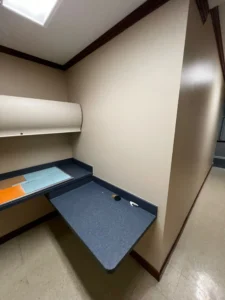
A clean, well-painted building sends a clear message: your business is active, organized, and trustworthy. Over time, though, sun, moisture, and daily wear slowly break down even the best paint job. Colors fade, surfaces start to look tired, and your property no longer reflects the quality of the service you provide.
So how often should you repaint your commercial property? The answer depends on where your building is, what it’s made of, and how it’s used. Below, we’ll break down typical timelines, warning signs, and smart ways to stay ahead of repainting needs.
Every building is different, but these ranges are a good starting point:
Exterior
Stucco or EIFS: about every 5–7 years
Wood or fiber-cement siding: about every 5–10 years
Metal doors, railings, and trim: about every 3–5 years
Painted brick: about every 10–15 years
Interior
Lobbies and reception: every 3–5 years
Hallways and stairwells: every 2–4 years
Offices and conference rooms: every 5–7 years
Restrooms and break rooms: every 3–5 years
Harsh weather or low-quality materials can shorten these timelines.
You don’t have to wait for the full cycle if the paint is already failing. Look for:
Colors that look faded or uneven
Peeling, cracking, or flaking paint
Powdery residue when you rub your hand on exterior walls
Stains and scuff marks that no longer clean off
Rust on metal surfaces or visible water stains
When you catch these issues early, repainting is easier and the building stays protected.
Two properties painted the same year can age very differently. Key factors include:
Climate and sun exposure
Building materials (wood, metal, stucco, brick, etc.)
Type of business and level of foot traffic
Quality of the previous surface preparation and products
Knowing how these affect your property helps you set realistic repainting intervals instead of guessing.
Treat painting like any other maintenance task instead of a one-time emergency project.
Start with customer-facing areas such as storefronts, entrances, and lobbies.
Break the work into phases—exterior one year, interior common areas the next, individual offices later.
Schedule work during slower seasons, evenings, or weekends to reduce disruption.
Include repainting in your annual maintenance budget so costs are predictable instead of turning into last-minute emergencies.
A simple plan keeps your building looking consistent and avoids big, unexpected jobs.
Repainting on a schedule often costs less than waiting until everything is peeling.
Surfaces in better condition need less scraping, patching, and priming.
You reduce the risk of damage from moisture, rot, or rust.
Your property keeps a clean, professional look that appeals to customers and tenants.
Regular upkeep stretches the life of each paint job and protects the structure underneath.
There isn’t one perfect repainting date for every commercial property, but there is a right approach: watch for early signs of wear, understand typical timelines for your materials, and plan ahead.
By working with a professional painting contractor to create a simple repainting schedule, you keep your building looking sharp, protect your investment, and give everyone who visits your property a better first impression.
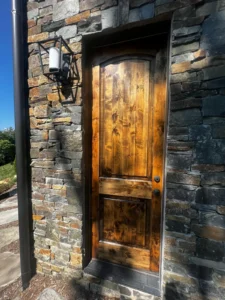


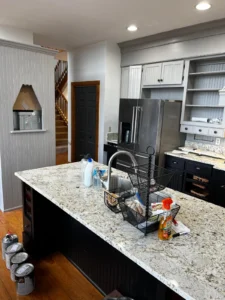

At OR Painting LLC, our experts help you select the perfect palette that enhances your home’s size, style, and personality—creating a balanced look that feels just right.