A fresh exterior paint job can make your home look cleaner, newer, and more valuable. But the quality of the result depends on much more than just the paint brand or the color you pick. Good timing, proper surface prep, the right materials, and realistic expectations all play a big role in how your home will look a year, three years, or ten years from now.
Before you schedule your project or call a painting company, it helps to understand the basics so you can make smarter decisions and ask the right questions.
Exterior paint needs the right conditions to cure properly and last.
Before repainting, consider:
Season and temperature – Most exterior paints perform best within a recommended temperature range (not too hot, not too cold). Extreme heat, strong direct sun, or very cool nights can affect drying and adhesion.
Rain and humidity – Surfaces must be dry before painting. Recent rain, heavy morning dew, or very high humidity can delay prep and painting days.
Day length – Shorter days give less working time for multiple coats; longer days are often easier for completing sections cleanly.
Choosing an appropriate time of year for your climate helps ensure the new paint bonds well and doesn’t fail early.
The most beautiful color will still fail if it’s applied over dirty, peeling, or damaged surfaces. Preparation is where a professional-quality job is really made.
Good exterior prep usually includes:
Cleaning – Often done with pressure washing to remove dirt, mildew, and chalky residue.
Scraping and sanding – To remove loose, flaking paint and smooth rough edges.
Repairs – Replacing rotten wood, fixing damaged trim, and patching cracks in stucco or siding.
Caulking – Sealing gaps around windows, doors, and joints to protect against moisture.
Priming – Especially important on bare wood, patched areas, and color changes.
Skipping or rushing these steps is one of the main reasons exterior paint peels or fails long before it should.
Not all exterior areas should be painted with the same product or sheen. Different surfaces have different needs.
Basic guidelines:
Body/siding – Often painted in a high-quality exterior acrylic in a matte, low-sheen, or satin finish that hides flaws but is still cleanable.
Trim and doors – Typically use a more durable, slightly shinier finish (satin, semi-gloss) to stand up to wear and highlight details.
Special areas – Metal railings, masonry, or previously stained surfaces may require specific primers or coatings designed for those materials.
Investing in good exterior products and using the correct type on each surface helps the color stay rich and the coating resist weather, UV, and everyday wear.
Paint can change a lot, but it can’t change everything. Before choosing colors, pay attention to the parts of your home that are not being replaced:
Roof color
Brick, stone, or fixed masonry
Driveways, walkways, and major hardscape
Window frames, especially if they’re factory-finished
Pick a main body color that complements these elements instead of fighting with them. Then select trim and accent colors that support the overall look rather than adding unnecessary contrast.
Testing samples on the actual exterior and viewing them at different times of day will help you avoid surprises once the whole house is painted.
If you’re hiring professionals, a clear understanding from the beginning leads to a smoother project and a better result.
Important points to review:
Scope of work – Exactly what will be painted and what will not (siding, trim, doors, railings, etc.).
Prep details – How they will handle cleaning, scraping, repairs, caulking, and priming.
Products – Which paint line and sheen will be used on each area.
Timeline and access – Approximate start and end dates, and any access or parking needs.
Warranty or guarantee – What is covered and for how long.
A good contractor will be happy to explain their process and answer questions. That transparency is a strong sign you’ll get a careful, long-lasting job instead of a quick “cover up.”
Repainting your home’s exterior is both a cosmetic upgrade and a protective investment. When you choose the right time, insist on thorough preparation, use appropriate products, and pick colors that respect your home’s existing features, you greatly increase the chances of a result that looks good for years—not just the first few months.
If your property needs multiple painting tasks handled the right way, stop juggling contractors.
📞 Call (828) 708-5573
📧 info@orpaintingllcnc.com
🌐 www.orpaintingllcnc.com
Schedule your free general painting estimate with OR Painting LLC and get one professional solution instead of many small problems.


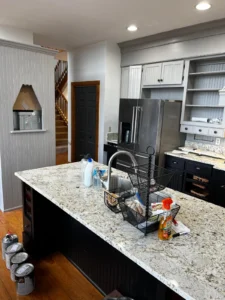

At OR Painting LLC, our experts help you select the perfect palette that enhances your home’s size, style, and personality—creating a balanced look that feels just right.